Table Of Content
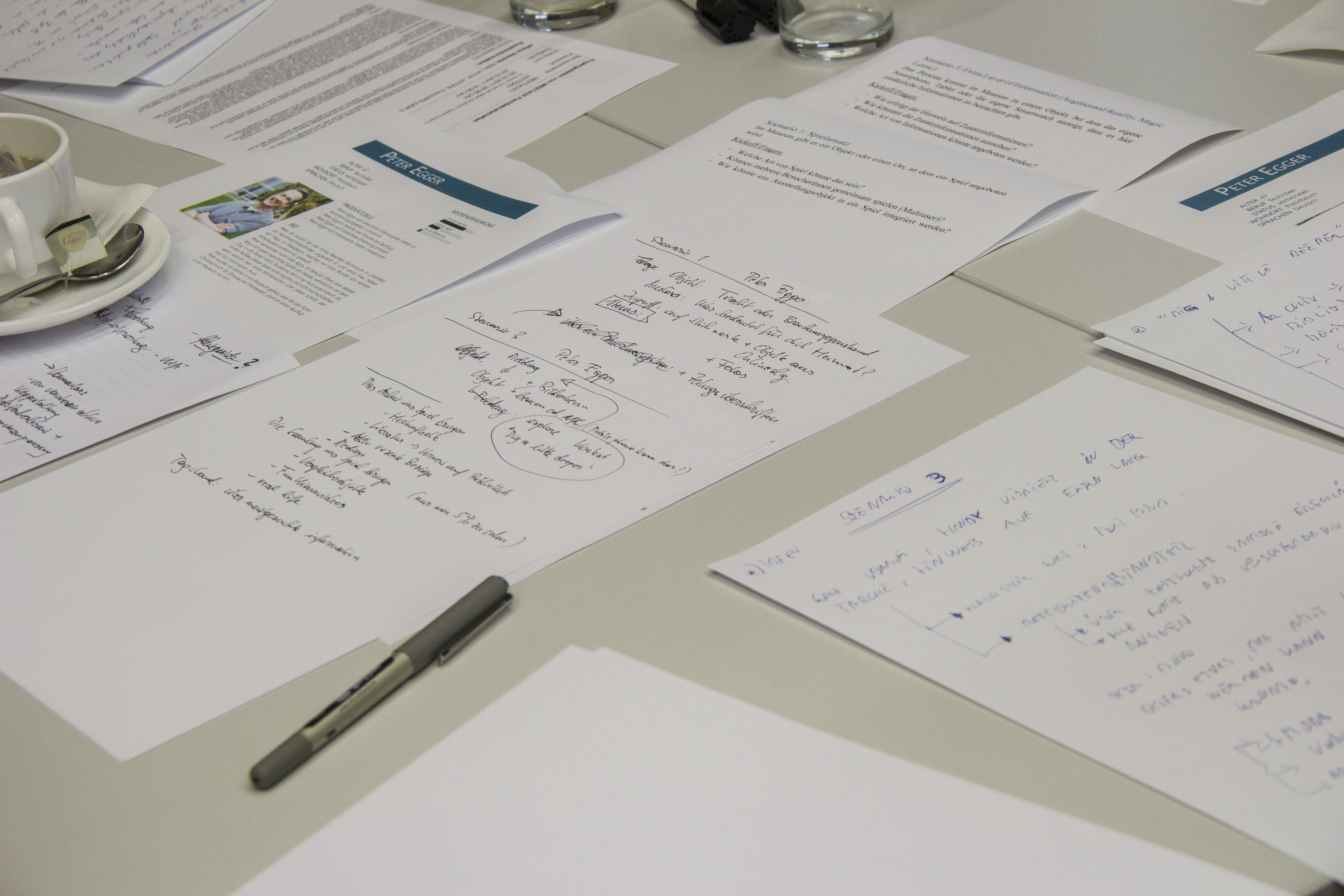
You and your team can learn the key frameworks (and mindsets) in our design thinking training workshops and courses facilitated in-person or virtually. Regardless of the presentation method, all of our workshops are interactive, hands-on opportunities to practice applying the most effective human-centered design tools and techniques. The design thinking course experience will allow you and your team to create and prototype an innovation for and with your colleagues, clients, customers or users. Working on their own innovation project will grow you and your team’s design thinking skills. Reach out if we can create a design thinking workshop, bootcamp or design thinking course for you.
Library offering design thinking toolkits - Penn State Health News
Library offering design thinking toolkits.
Posted: Mon, 14 Oct 2019 07:00:00 GMT [source]
Overcoming Common Workshop Challenges
It brings innovative solutions to life based on how real users think, feel and behave. The design team will now produce a number of inexpensive, scaled down versions of the product (or specific features found within the product) to investigate the key solutions generated in the ideation phase. These prototypes can be shared and tested within the team itself, in other departments or on a small group of people outside the design team. For example, teams may jump from the test stage to the define stage if the tests reveal insights that redefine the problem.
The Five Stages of Design Thinking
In a workshop focused on generating ideas for an important challenge, your audience might be a mix of creative thinkers, subject matter experts, and frontline employees. They join to offer innovative solutions and bring diverse perspectives to the table. This course contains a series of practical exercises that build on one another to create a complete design thinking project.
References & Where to Learn More

Once the team accumulates the information, they analyze the observations and synthesize them to define the core problems. The team may create personas to help keep efforts human-centered. Don Norman, a pioneer of user experience design, explains why the designer’s way of thinking is so powerful when it comes to such complex problems. Design teams use design thinking to tackle ill-defined/unknown problems (aka wicked problems).
The following stages are part of the five-phase model proposed by the Hasso-Plattner Institute of Design at Stanford, also known as d.school. Each step can inform a truly creative approach to problem-solving. The main purpose of a remote design thinking workshop is to get a diverse group of people together to tackle a single problem. So, the first step in the planning process is to determine the challenge you’ll be working on.
It does this with a human-centric, prototype-driven approach to problem solving and innovation. By the end, you’ll be equipped to guide and support any workshop team to find the innovative solutions they need to address their user and business challenges. Our design thinking courses are tailored to equip you with the skills and knowledge necessary to become a proficient problem solver, creative thinker, and innovator. Whether you're interested in product design, user experience, or service design, our courses will provide you with the tools and techniques to approach complex challenges with a human-centered approach. At this hands-on workshop you will put empathy, experimentation, and iteration into practice to develop innovative solutions and foster relationships with like-minded professionals in your field. This event offers a unique opportunity to connect with peers, collaborate, and gain fresh perspectives to apply to your work.
For those who are not comfortable with building their custom workshop agenda yet, there are amazing frameworks that you can follow. Design sprint developed by Google Ventures is a five-day process for answering critical business questions through design, prototyping, and testing ideas with customers. In the Sprint book by Jake Knapp, you find detailed instructions, tips, and case studies on how to run a successful workshop.
Gain tools, techniques, and real experience with design thinking – an innovation approach utilized by many growing companies to succeed. At Design Thinking Bootcamp, we understand that every product, service, and experience you work on must deliver. Our intensive program is focused on helping you solve complex problems and supports you to design and build innovative solutions for future growth. You will learn proven yet unconventional skills and tools to magnify consumer empathy and bring early product concepts to life quickly.
Ensure they are well-versed in Design Thinking skills and techniques, capable of managing group dynamics and fostering an inclusive environment. Also, gather and prepare all necessary resources, from post-it notes and markers for brainstorming to prototyping materials like paper, tape, and modelling clay. In phase one, we have seen some broad pointers to consider when planning the design workshop.
If you’re looking for some Design Thinking inspiration from some of the big players out there, check out some of these real life examples of Design Thinking principles in action. During this process, the group spends time looking at the customer’s emotional highs and lows and identifying specific needs. Agile on the other hand is an ongoing structured way of work, for projects. It’s a workflow for teams to follow on how to communicate more effectively, run meetings, implement things or decide on priorities.
Most participants usually are a bit nervous at the start of a workshop. They have questions about the facilitator, the workshop, and workshop expectations. Usually, a workshop could take anywhere from 2 hours as a remote workshop to several days when it’s in-person.
It can help teams understand their users' needs and challenges, then apply those learnings to solve problems in a creative, innovative way. Understanding design thinking can transform your team’s problem-solving approach — and how you work together. This step is especially important when it comes to running a remote design thinking workshop.
A Design Thinking workshop will spark innovation, foster a user-centric mindset, and get cross-functional teams working together to design a great product. After the empathy exercise, participants are better placed to really narrow down on the problem that the user faces. Ask your team to create a problem statement that will guide the rest of the design thinking workshop. Design thinking workshops help design teams to create feasible and user-focused solutions to complex problems in design. This helps the team to design better products faster, reduce costs, and increase profits.


No comments:
Post a Comment