Table Of Content
- The relationship between human-centered design and design thinking
- Define and Frame Your Design Challenge by Creating Your Point Of View and Ask “How Might We”
- A step-by-step guide to planning a workshop
- Learner Stories
- Building a Collaborative Workshop Culture
- What Design Thinking courses are best for training and upskilling employees or the workforce?
I'm a UX coach that supports other designers and have completed design projects in finance, tech, and the public sector. In my experience, doing an online workshop is less exhausting for the facilitator. That’s because you have to walk around less and can use the breaks just as much as your participants do.
The relationship between human-centered design and design thinking
You can let them work on this for minutes and have them create their primary solution for the design challenges from the first part of the workshop. There are several exercises you could use in your design thinking workshop to get an understanding of the design challenge. I’ll also share what, in my experience, is the difference between an online design thinking workshop and an in-person design thinking workshop. User testing involves putting prototypes in the hands of real users to observe their interactions and gather feedback. Observations during testing can uncover unexpected insights and reveal aspects that need improvement.
Define and Frame Your Design Challenge by Creating Your Point Of View and Ask “How Might We”
In terms of building empathy, much of the work has already been done as part of the pre-workshop assignment. At this stage of the workshop itself, you’ll bring everybody’s insights together and start to identify common themes. Of course, running a remote design thinking workshop is not without its challenges—but you’ll soon see that the benefits far outweigh any drawbacks. We’ve teamed up with design thinking expert and workshop aficionado Brittni Bowering to bring you a foolproof step-by-step guide on how to run your own remote design thinking workshop.
VTU launches startups at boot camp on design thinking - The Times of India
VTU launches startups at boot camp on design thinking.
Posted: Fri, 19 Jan 2024 08:00:00 GMT [source]
A step-by-step guide to planning a workshop
The goal of the workshop might be to come up with ways to improve the user experience for LoveFoundry customers. By the end, you’ll be ready to take your colleagues (or clients) through the entire Design Thinking process, equipping them with the tools they need to come up with innovative strategies and ideas. A facilitator is the individual responsible for organizing and running a Design Thinking workshop. This role can be filled by an in-house facilitator or an external or freelance facilitator who seeks to guide team members towards a common objective via the Design Thinking process. Follow our actionable guide for best practices, tips, and techniques, as well as easy-to-follow steps to guarantee the success of your first session. Use fun icebreaker activities to help your team warm up before the workshop begins.
Learner Stories
Alan Dix, Professor of Human-Computer Interaction, explains what wicked problems are in this video. If you’re not sure where to start, consider using this simple plan of action for your first workshop. PrototypingMost of us are probably already familiar with prototyping, whereby a product or feature is created in its simplest form in order to be tested with user testers or within the workshop group itself. Feedback from these testing rounds enables the product to be iterated upon and improved before a high-fidelity version is created. The value chain is all the activities a company performs in order to create and launch a product.
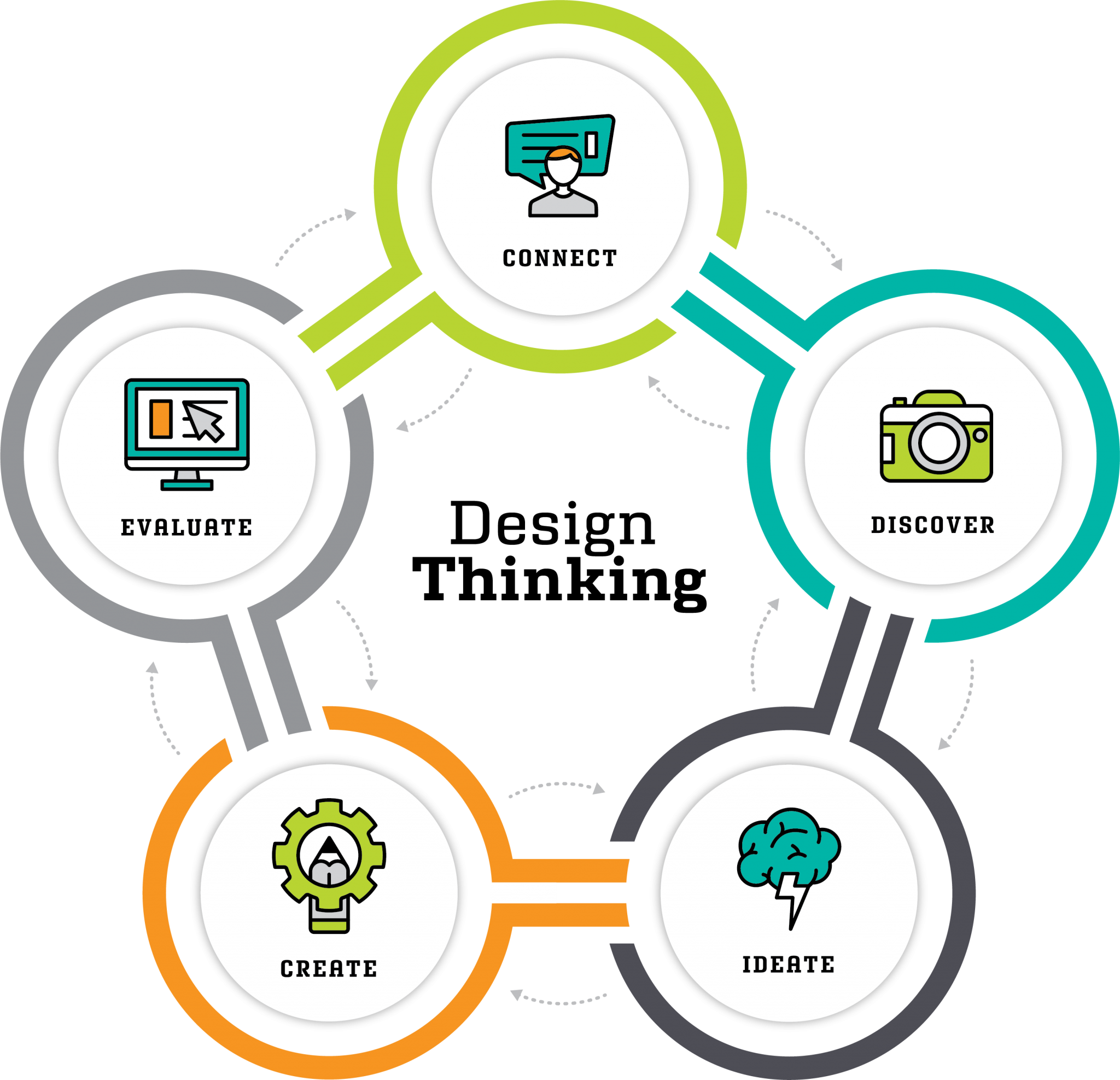
It is perhaps even the most important stage in the workshop, as it enables the team to see if their solution effectively solves the user problem that was uncovered during the Empathy stage. Maybe your colleagues have taken an online course on it, or maybe you’ve just heard the term thrown around so ubiquitously that it feels like a phenomenon you’ll never really understand in a tangible sense. Design Thinking, put very simply, is a human-centered approach to creative problem-solving, and has made loads of noise all over the internet and beyond in recent years.
So, after the workshop, you’re going to give your participants one week to prototype and test their chosen ideas. Take fifteen minutes to explain the post-workshop task and reiterate why it’s so important. The good news is that, for the most part, you can address the same kinds of challenges remotely as you would in an in-person workshop. However, as Brittni points out, you will need to think carefully about how you’ll gather user insights in a remote scenario.
How many people should be in a design thinking workshop?
Design Thinking is a powerful approach to innovation that prioritizes understanding users, challenging assumptions, and fostering creativity. Design Thinking workshops offer a structured environment to apply this approach effectively, encouraging collaboration and problem-solving across diverse domains. By planning meticulously, engaging participants with relevant activities, and iterating based on feedback, Design Thinking workshops can drive meaningful solutions to complex challenges. Whether you’re a designer, developer, or domain expert, embracing Design Thinking can empower you to innovate and create impactful solutions.
What Design Thinking courses are best for training and upskilling employees or the workforce?
Set an outline or schedule for the workshop and include it in the invite so attendees have time to prepare for each section of the workshop. Like your design thinking approach, this agenda can be flexible, but it's still important to have clear milestones that you can reference to keep the workshop on track. Now that we've covered the basics of design thinking, let's talk about the "how." What is the most effective way to pull off a design thinking workshop?
Download print-ready templates you can share with your team to practice design thinking today. Design Council's Double Diamond diagram depicts the divergent and convergent stages of the design process. The updated version also highlights the importance of leadership (to create an environment that allows innovation) and engagement (to connect with different stakeholders and involve them in the design process).
We can also provide a design thinking certificate for your participants or kick-off a larger initiative with a design thinking bootcamp. Depending on your specific needs and interests, we will share the best tools to use to help you and your team sustain the learning and development after training. To enhance your specific design thinking training, we can provide you and your team with learning resources and additional online courses from Innovation Learning.


No comments:
Post a Comment